Living Smarter, Living Longer: Interiors That Evolve Without Waste
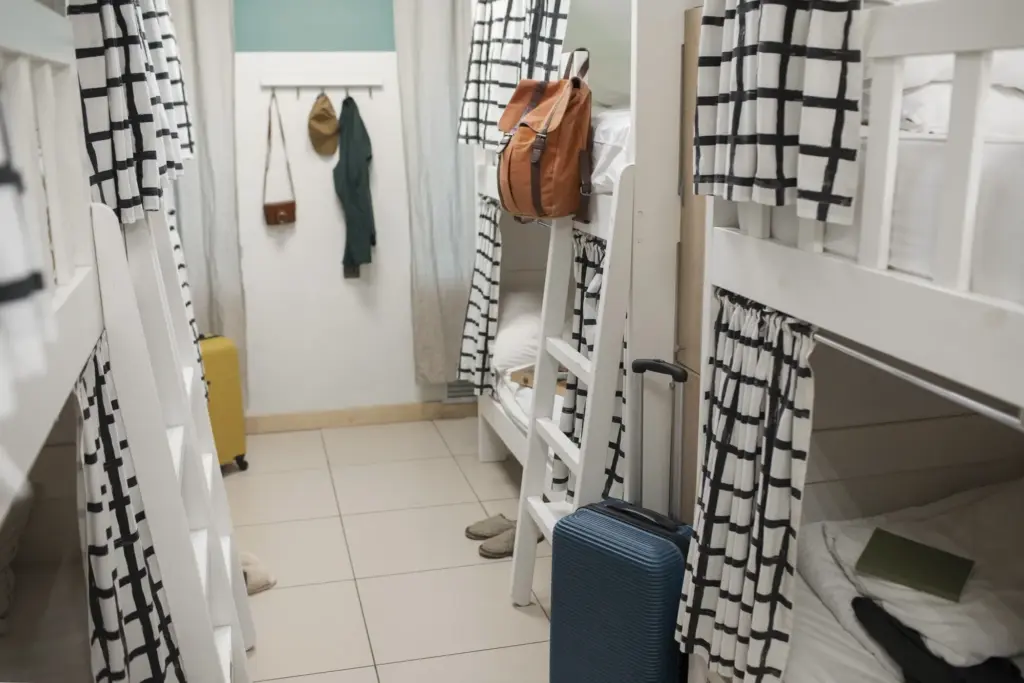
Foundations of a Circular Connected Home

Designing Out Waste From Day One
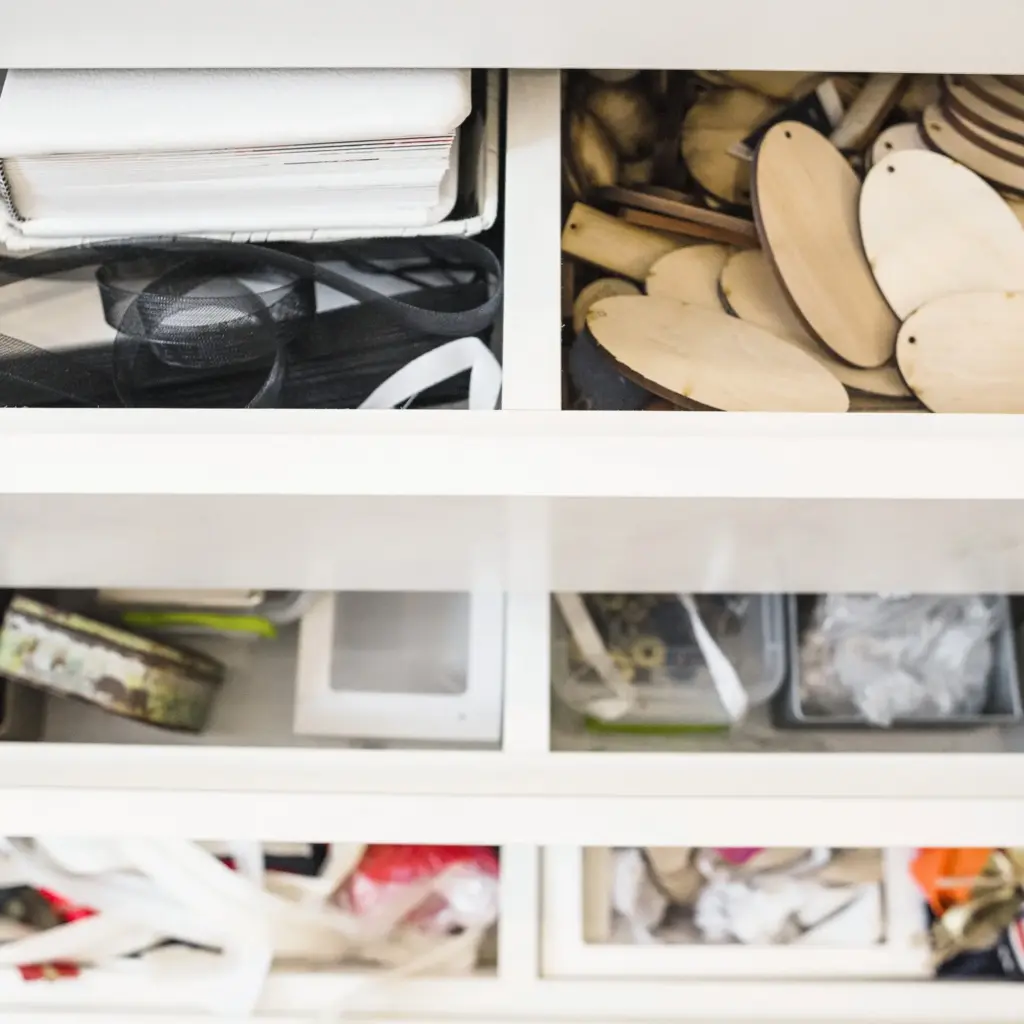
Keeping Products and Materials In Use

Regenerating Natural Systems Indoors
Modular Devices That Welcome Upgrades
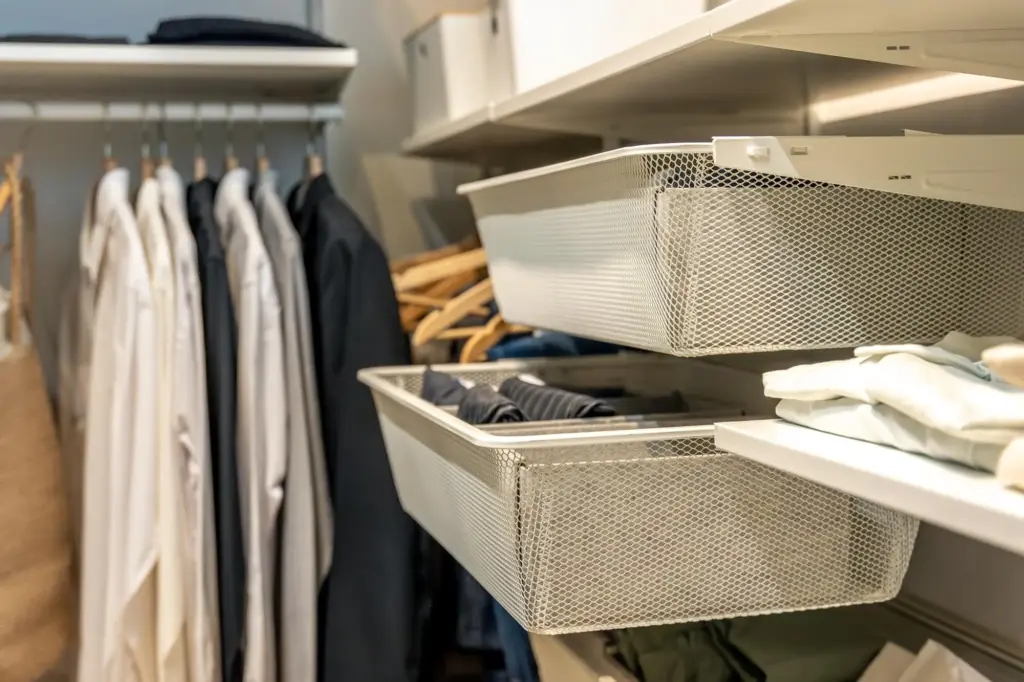



Repair Readiness as a Design Superpower
Build an At‑Home Repair Station
Sourcing Spares Before You Need Them
Diagnose Before Replacing
Material Palettes That Age Gracefully

Furniture With Hidden Pathways
Standards, Interoperability, and Avoiding Lock‑In
Choose Radios That Can Ride Future Waves
Prefer platforms that support multiple radio modules or gateways, allowing you to add new protocols without ripping out devices. Ensure firmware can enable additional stacks, and verify certification roadmaps. Network topologies should be visible and editable, not hidden behind opaque clouds. If a standard evolves, you swap a bridge, not a household of sensors. This flexibility reduces landfill risk, encourages experimentation, and maintains reliable coverage as layouts change. Your connectivity becomes architecture, not a fad, delivering quiet competence year after year without dramatic, wasteful overhauls.
Favor Local Control and Exportable Data
Local automations run even when the internet misbehaves, protecting comfort, safety, and routines. Choose devices that expose APIs, allow data exports, and provide readable backups. If you ever shift platforms, your scenes and schedules come with you. This portability discourages lock‑in and reduces costly rework. It also builds trust: privacy improves, latency drops, and resilience rises. With your data in hand, you can audit energy use, optimize schedules, and share anonymized insights with community groups, helping others embrace responsible upgrades while avoiding the pitfalls of disposable connectivity.
Care, Maintenance, and Responsible Upgrades

Lighting That Adapts Without Landfill Risk
We started with neutral fixtures compatible with standard backboxes and modular drivers. Over time, we added tunable white modules and swapped a wall control for a low‑profile keypad while keeping faceplates and wiring. A future radio protocol will be a card swap, not drywall repair. Scenes now follow sunrise and wind‑down rituals, gently supporting focus and rest. The room feels refreshed without visible tech churn, proving that flexible infrastructure plus measured upgrades delivers lasting beauty with minimal waste or disruption.
Sound, Climate, and Comfort in Sync
Slim speakers mount to existing rails, hiding cables within preplanned channels. A quietly efficient fan integrates with occupancy and temperature sensors, trimming energy while improving airflow. Climate automations run locally, surviving network hiccups. When we upgraded the media hub, old remotes still functioned because mappings lived on a stable layer. The system sounds better, breathes better, and wastes less energy. Comfort rose while complexity fell, illustrating how layered design decouples daily experience from the rapid pace of consumer electronics releases.
What We’d Do Differently Next Time
We would label cables at both ends from day one, add more generous service loops, and leave an extra conduit to the front window for future shading. We would also stock spare gaskets earlier and standardize fasteners across devices. None are expensive changes, yet they magnify resilience and calm. Tell us your lessons, send photos of your clever retrofits, and vote on our next deep dive. Your stories shape future guides, helping everyone build interiors that age gracefully and repair easily.
All Rights Reserved.